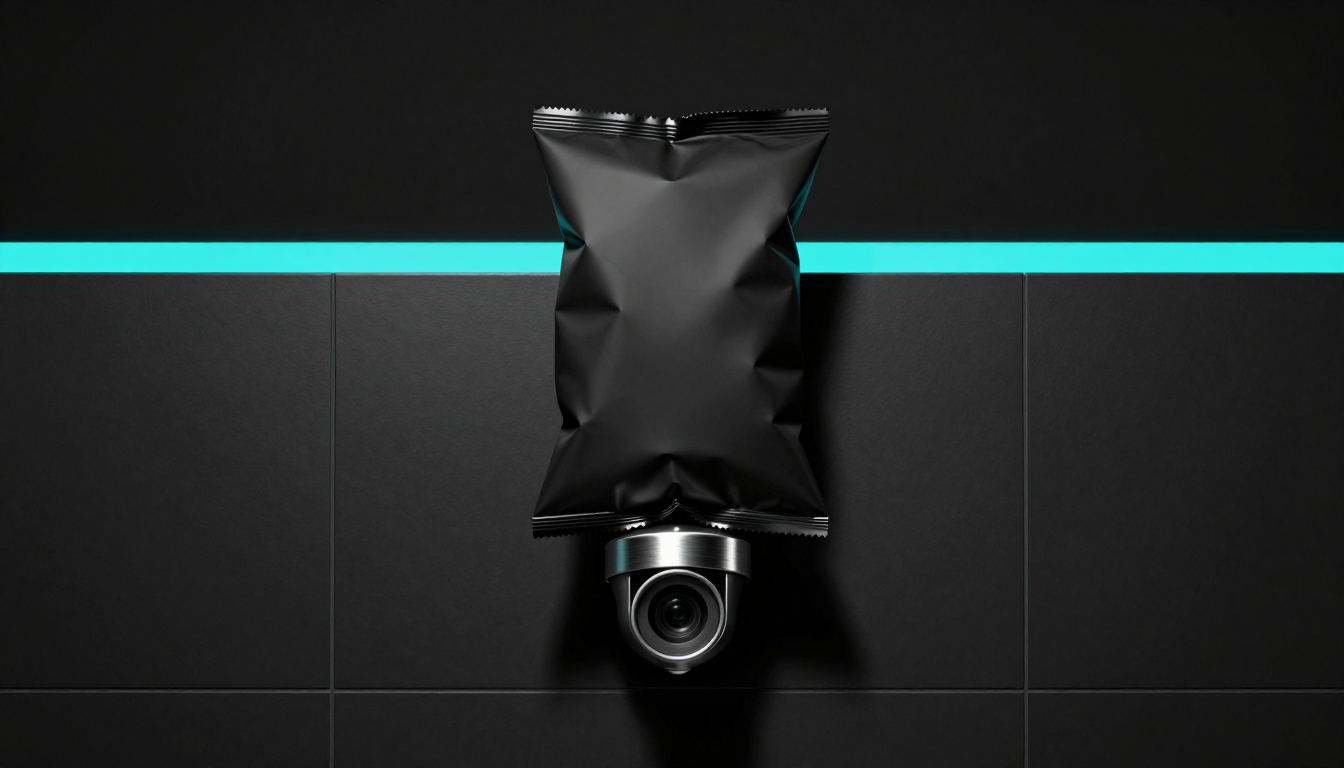
The alert and its cancellation
On 20 October 2025, an AI weapons-detection system at Kenwood High School in Baltimore County flagged a Cool Ranch Doritos bag as a possible gun. Four Black students had been sharing the chips after football practice while waiting for rides home. arstechnica.com reports that the system treated one teenager holding the bag as a potential gunman. The object was ordinary, the location was a school, and the automated classification initiated a security process involving armed police.
School officials reviewed security-camera footage linked to the alert within two minutes. They recognized the Doritos bag, determined there was no actual threat and canceled the alert, according to arstechnica.com. That sequence establishes a narrow operational fact: human reviewers rejected the machine classification quickly. It does not establish that cancellation ended the incident. The alert had also notified the Baltimore County Police Department. That suggests the school review and police response were already running on separate clocks.
The two-minute cancellation describes the alert’s status, not the students’ experience. Reports provide no timestamp for police arrival, handcuffing or release, and do not explain what cancellation message reached officers. The defensible distinction is between detection and intervention: software produced a classification, school staff rejected it, and armed officers nevertheless detained the students. That sequence makes escalation and communication central to the dispute. It does not establish why any officer acted or which command decisions preceded the detention.
The detention and the lawsuit
The students were handcuffed, detained and searched while waiting for their rides, according to the published accounts. theguardian.com describes them as football players who said they were traumatized and fearing for their lives; circuit-magazine.com reports that they were held at gunpoint. Those descriptions concern the police encounter after school officials rejected the alert. The lawsuit was filed roughly a year later by four current and former students. The extracts do not give its filing date, court, case number or requested remedies.
The defendants are Baltimore County Public Schools, the Baltimore County Police Department and Omnilert, the company behind the detection system. Naming all three places the automated classification, school operating decisions and police response within one legal challenge. It does not allocate responsibility among them. Kenwood High School is the identified location. The extracts do not set out individual counts, the legal basis for each claim, any defendant’s response, Omnilert’s contractual role or the specific conduct attributed to the company.
consultorescsa.com reports that the Lawyers’ Committee for Civil Rights Under Law represents the students. Its account says the lawsuit challenges reliance on an inaccurate AI security alert and alleges discriminatory effects on Black students. That is an allegation about impact, not a published finding of discriminatory intent or a technical audit of the model. The distinction matters because the known error involved one chip bag, while the legal claim concerns four Black teenagers and their treatment. The reports supply no comparative alert data by race.
What the reports do not establish
The reports establish neither a false-positive rate nor a performance figure for Omnilert’s system. They contain one described misclassification, a rapid human cancellation and a detention. Nothing in the extracts explains whether the model analyzed a still image or video, what confidence threshold triggered notification, or whether staff could stop police dispatch before officers acted. Those omissions prevent a broader verdict on accuracy. They also direct attention to system design: an alert can be wrong and still produce consequences if cancellation does not control every response it initiated.
The record is incomplete on the police encounter. The accounts support handcuffing, detention, search and armed officers, but do not provide the number of officers, the detention’s duration, instructions given to the students or the basis for each search. Nor do they include a police account reconciling the canceled alert with the intervention. Those details are necessary to assess policy compliance and decision-making. Without them, the supported conclusion is procedural: cancellation by school reviewers did not prevent the students from being subjected to a police search.
The lawsuit’s claims remain subject to legal proceedings, and the extracts contain no ruling, settlement or finding of liability. They also contain no response from the school district, police department or Omnilert. That silence limits attribution of fault, but does not erase the reported sequence: an incorrect classification, a two-minute school review and a detention described as traumatizing. The open question is which safeguards were supposed to stop that sequence. The reporting cannot answer whether the failure lay in detection, alert routing, cancellation procedures, police judgment or some combination.
Sources
- arstechnica.com — Students sue after Doritos bag triggers AI gun alert
- consultorescsa.com — Maryland Students Sue Over AI Doritos Gun Mistake · Consultorescsa Blog | Ideas, Stories… (2026-11-19)
- theguardian.com — Four Maryland high school students sue after AI mistakes Doritos bag for ... (2026-11-19)
- circuit-magazine.com — Omnilert Lawsuit: Students Sue Over AI Gun Alert on Doritos Bag
- New Horizon daily digest, 2026-11-23 (topic provenance)